Nematodes are microscopic worms found in all cane-growing soils across Australia. Every sugarcane block contains at least five species of plant-parasitic nematodes that actively feed on the crop, damaging roots and reducing productivity.
The two most destructive species are:
Root knot nematode (Meloidogyne spp.)
Root lesion nematode (Pratylenchus zeae)
These nematodes enter sugarcane through the root tips and live inside the growing roots, causing lesions and galls that severely affect root function. Damage is particularly severe in sandy soils and can cause significant losses, especially in plant cane.
Symptoms and challenges
Above ground, nematode damage is easily mistaken for nutrient deficiency or poor soil conditions. Symptoms are usually widespread and uniform across a block, unlike pests such as soldier fly, which tend to cause patchy damage with defined edges.
Nematode impacts are often made worse by compacted soil, low organic matter and weak root growth. Healthy plants with vigorous roots are more resilient and can often ‘outgrow’ nematode damage.
Management strategies
The best way to minimise nematode damage is through farming practices that support plant health and beneficial soil organisms:
Incorporate organic matter such as cane trash, mill mud or compost.
Reduce soil compaction with controlled traffic and reduced tillage.
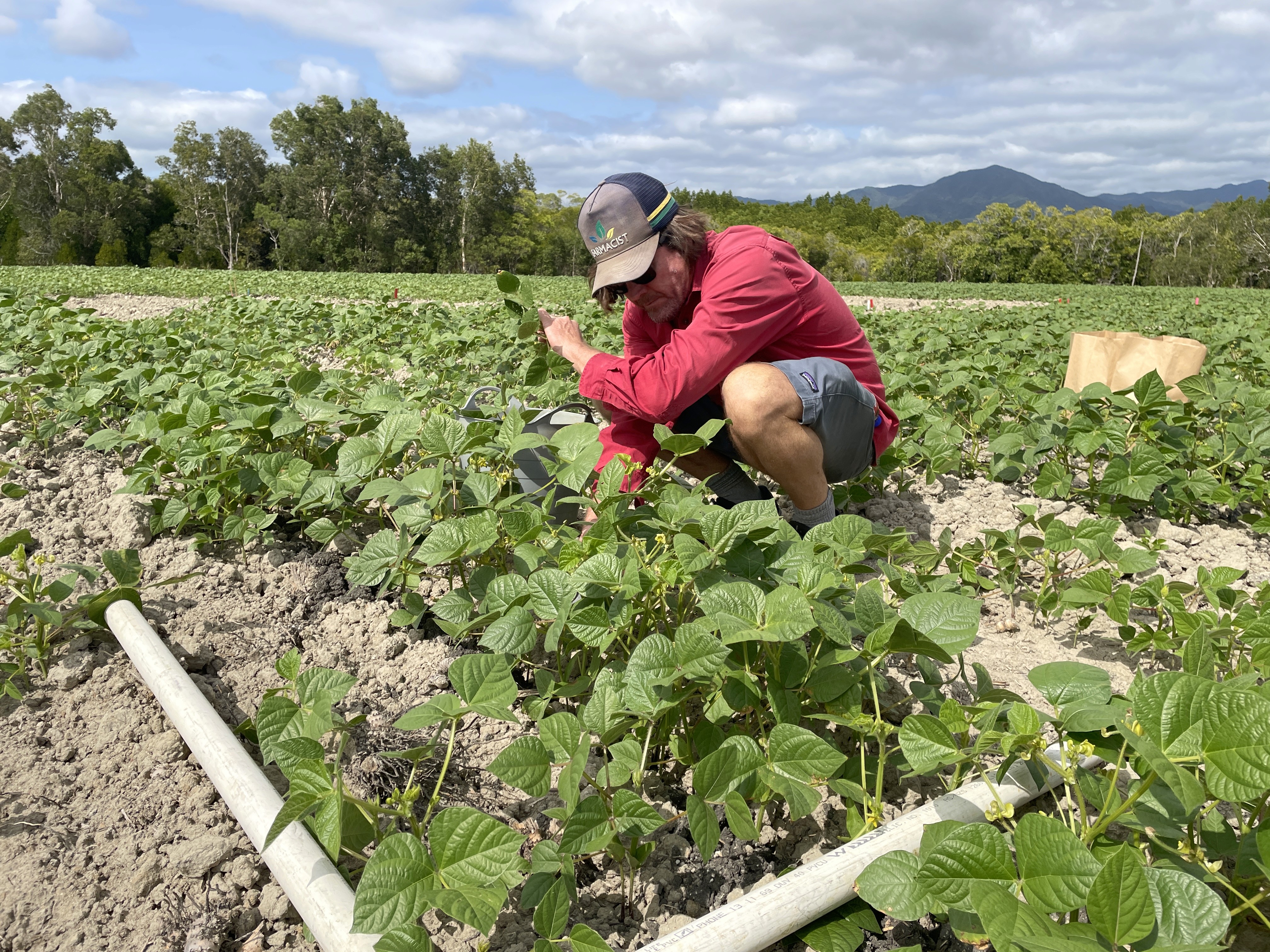
Plant nematode-resistant legume cover crops during the fallow.
These practices help build a strong root system in plant cane and support the natural enemies of pest nematodes, reducing their numbers over time.
Economic impact
In 2007, nematodes were estimated to cost the Australian sugar industry around $80 million a year in lost productivity. Scientists expected that figure to fall as more growers adopted best management practices.
Where to start
Begin with nematode monitoring in blocks about to be planted, or in blocks that are performing poorly. This can be done alongside your annual Pachymetra testing through Farmacist. Your agronomist can then help you interpret the results and build a nematode management plan for your farm.
This article was first published in Farmacist News, January–May 2025, written by Joel Faulkner.
Questions about this topic?
Talk to your local Farmacist agronomist about how this applies to your farm.
Contact us