Why Nitrogen Management Is So Hard in Wet Tropics Sugarcane — and How to Design a Trial That Answers It
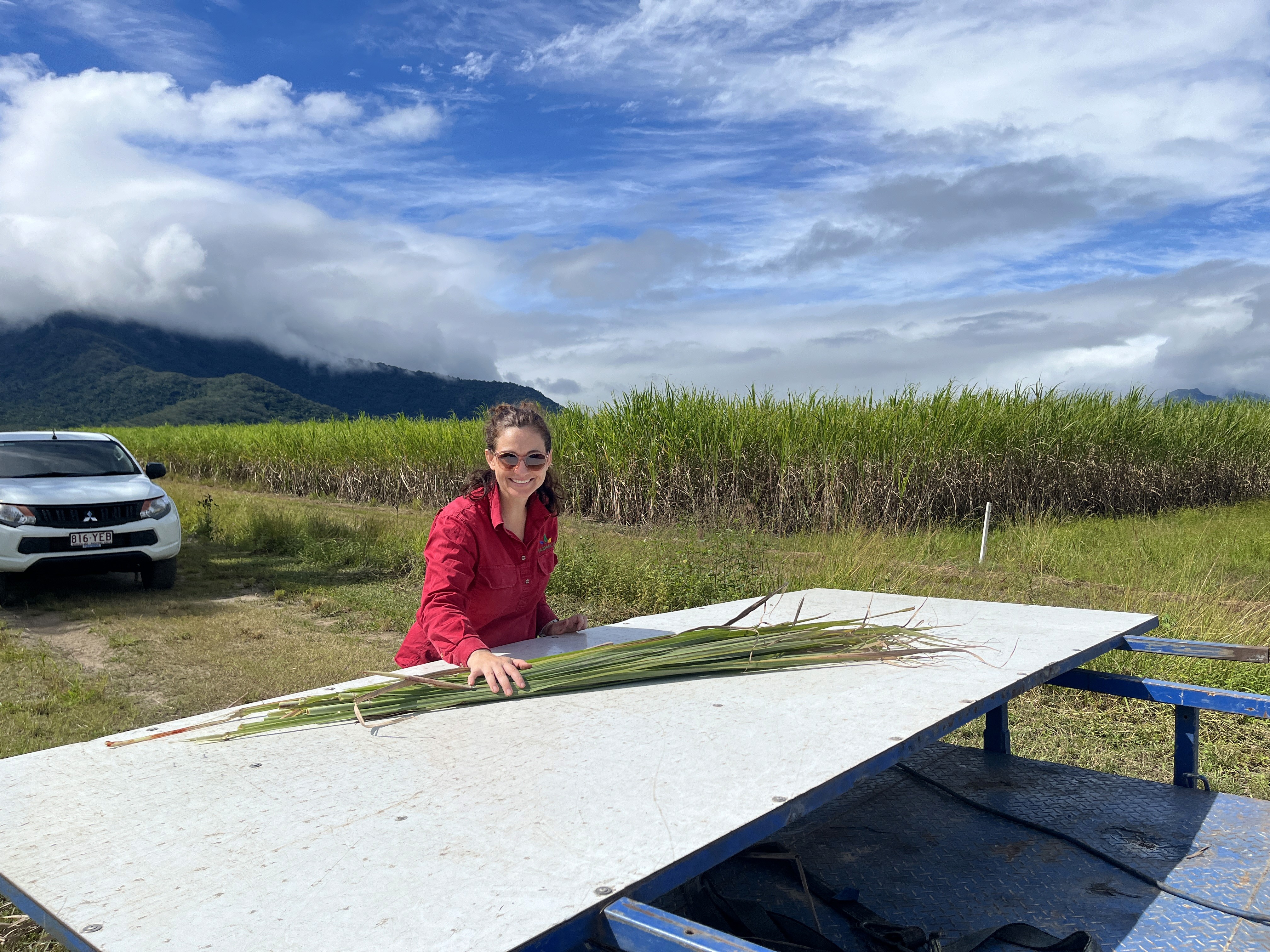
Nitrogen Management in Wet Tropics Sugarcane: Why It's Hard and How to Run a Trial That Answers It
Setting the right nitrogen rate is one of the hardest decisions a Wet Tropics sugarcane grower makes. Get it wrong on the low side and you leave yield in the paddock; get it wrong on the high side and you waste money and risk nitrogen running off into waterways. The reason it is so difficult here, more than in almost any other Australian cane region, comes down to climate and soil — and the only reliable way to cut through the uncertainty is a properly designed field trial.
Why nitrogen is so hard to manage in the Wet Tropics
The Wet Tropics is a tropical agricultural landscape defined by dynamic and often punishing conditions: excessive wetness, intense humidity, low solar radiation, and occasional extreme rainfall events (Skocaj & Everingham, 2014). To put the rainfall in perspective, trial sites in the Mulgrave Russell catchment recorded in the order of 5,300–5,500 mm of rain a year across 220–250 rain days — a volume that fundamentally shapes how nitrogen behaves in the soil.
These conditions create two linked problems. First, they produce highly variable landscapes, where soil type, drainage and water-table height can change markedly within a single block. Second, the heavy, frequent rainfall intensifies nitrogen losses from the soil through leaching and, in waterlogged soils, denitrification. Together they make it exceptionally difficult to set a nitrogen rate that is both profitable and environmentally sound — because the "right" rate genuinely differs from one part of a block to another, and a wet season can strip applied nitrogen before the crop uses it.
The three questions a good nitrogen program has to answer
Effective nitrogen management in tropical cane rests on answering three connected questions:
How variable is the soil within the block? Understanding within-block soil variability is the foundation for any targeted, site-specific management. Two ends of the same block can behave like two different farms.
How does that variability change the crop's response to nitrogen? Soil type, drainage and water table all influence how cane responds to a given nitrogen rate — and often outweigh the rate itself.
What does this mean for the rate you actually apply? The goal is to match nitrogen to what each part of the block can use, maximising yield while minimising loss.
Designing a field trial that produces reliable answers
A trial is only as trustworthy as its design. The following sequence applies to nitrogen trials specifically and to on-farm trials generally:
1. Define the research objective. State the question clearly up front — for example, "does cane yield respond to nitrogen rates between 50 and 200 kg/ha on this soil type?" A sharp objective guides every later decision.
2. Select the experimental variables. Identify exactly what will be manipulated and measured — nitrogen rate, soil type, variety, and any additional treatments such as a phosphorus comparison.
3. Choose a representative site. Pick a location whose soil type, climate and land-use history reflect the conditions the question is about. A trial result only transfers to paddocks that resemble the trial site.
4. Randomise and replicate. Randomly allocate treatments across plots to minimise bias, and replicate each treatment across multiple plots so the result is statistically meaningful rather than the product of one favourable strip of soil. Replication is what allows a genuine treatment effect to be distinguished from background variability.
Why a site variability assessment comes first
Before any treatments go in, a site variability assessment characterises how the soil changes across the block. In practice this layers several datasets together:
a soil map (typically 1:50,000, refined to 1:5,000 after on-ground assessment)
an EC (electrical conductivity) map from an EM survey
an elevation map
drone imagery
satellite imagery
This matters because, time and again, soil and drainage differences within a block prove to be stronger drivers of yield than the nitrogen rate applied. Baseline biomass sampling — measuring yield variability before treatments are applied — is the other half of this step, establishing the starting differences between soil types so the nitrogen response can be read against them.
The honest reality of field trials
Even the best-designed trial meets the weather. Extreme rainfall and tropical cyclones can damage or terminate a season's work, and treatment application does not always go to plan. This is exactly why replication, baseline sampling and a backup site are built into a robust program — they let a trial still yield meaningful data when conditions interfere.
Key takeaways
Wet Tropics conditions — 5,300–5,500 mm of annual rain, low solar radiation, extreme events — make nitrogen management uniquely hard and amplify nitrogen losses through leaching and denitrification.
Good nitrogen management answers three questions: how variable the soil is, how that changes nitrogen response, and what rate to apply where.
Reliable trials need a clear objective, defined variables, a representative site, and rigorous randomisation and replication.
Assess within-block soil variability first, using layered soil, EC, elevation, drone and satellite data, plus baseline biomass sampling.
Frequently Asked Questions
Why is nitrogen management so difficult in Wet Tropics sugarcane?
The Wet Tropics has excessive wetness, high humidity, low solar radiation and occasional extreme rainfall — trial sites recorded around 5,300–5,500 mm of rain a year. These conditions create highly variable landscapes and intensify nitrogen losses through leaching and denitrification, so the optimal rate differs within a block and applied nitrogen can be lost before the crop uses it.
What are the key steps in designing a sugarcane field trial?
Define a clear research objective, select the experimental variables to manipulate and measure, choose a site representative of the relevant soil and climate conditions, and randomise and replicate treatments across multiple plots. Randomisation reduces bias and replication lets a real treatment effect be distinguished from background variability.
What is a site variability assessment and why does it matter?
A site variability assessment characterises how soil changes across a block by layering a soil map, an EC map from an EM survey, an elevation map, and drone and satellite imagery, alongside baseline biomass sampling. It matters because soil and drainage differences within a block often drive yield more strongly than the nitrogen rate applied.
How much rainfall does Wet Tropics sugarcane country receive?
Trial sites in the Mulgrave Russell catchment recorded in the order of 5,300–5,500 mm of rainfall per year across roughly 220–250 rain days, a volume that strongly influences nitrogen behaviour and drainage in cane soils.