sugarcane
The Sun Hemp Advantage
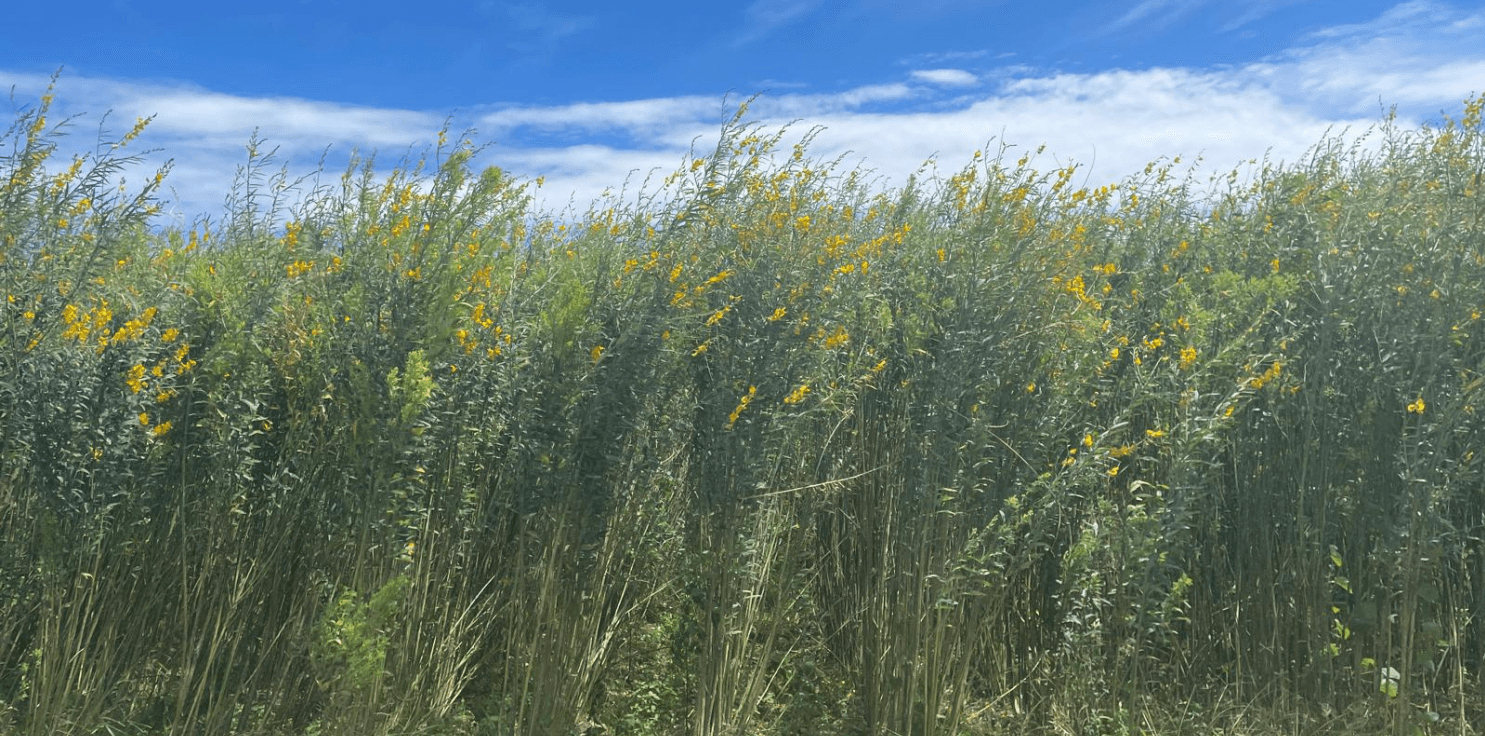
The Sunn Hemp Advantage: High Yields, Reduced Costs
John Arcidiacono's sunn hemp program delivering strong results for cane production, costs and soil health
John Arcidiacono has been farming in the Mulgrave Valley for more than fifty years, starting out farming with his father and brother. John's father taught the brothers many useful lessons about farming, and the family remains highly respected members of the local sugarcane community. John began working with Farmacist to complete a nutrient management plan in 2020. Initially the plans were reasonably standard, they helped John to target his nutrient application, saved him some fertiliser and money and helped meet the Reef Regulations and requirements for BMP.
More recently, supported by advice from Farmacist agronomists and the Going the Distance project, John has made further changes that are saving money and time and creating a bit of talk around the headlands
Anyone driving around the Mulgrave Valley over the wet season will have noticed many of the fallow blocks are covered in the tall yellow flowers of sunn hemp. Sunn hemp is a highly productive green manure crop that seems perfectly suited to Wet Tropics summers, where the crop routinely grows to over two metres tall.
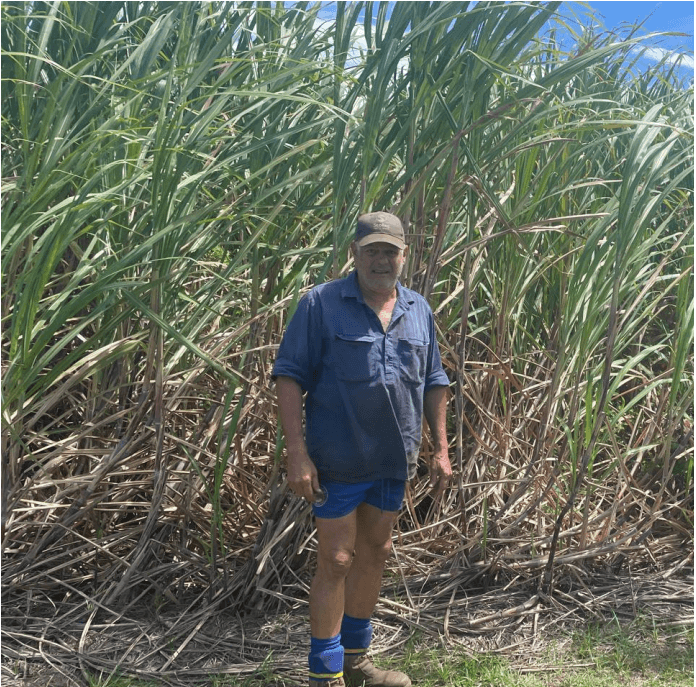
"The first block I trialled the low nitrogen rate on grew 118 tonne/ha with good CCS, from there on I decided that is what I would do. The sunn hemp cost me $2,750 to plant, and the savings in fertiliser are much more than that, but the really exciting thing is the soil health benefit,"
A few years ago, John planted his first sunn hemp fallow crop and was immediately impressed by the fast, even emergence of the crop and the large volume of organic matter it added to his soil. He noticed the difference it made to the soil when preparing beds for planting and the improvement in his plant cane the following year. Since then John has made the effort to plant all his fallow blocks with the cheerful yellow flowers and, has begun adjusting his nitrogen rates to account for the abundant inputs from the hemp.
Following a successful sunn hemp crop John now applies 30kg/ha of nitrogen. He has found that he is able to reduce all of his macro nutrients and still grow fantastic plant cane. "The first block I trialled the low nitrogen rate on grew 118 tonne/ha with good CCS, from there on I decided that is what I would do. The sunn hemp cost me $2750 to plant, and the savings in fertiliser are much more than that, but the really exciting thing is the soil health benefit," John explained.
John was already reducing his fertiliser rates after growing soybeans in his fallows, however this additional reduction has almost halved the amount of planting fertiliser he will need to purchase this year. He is also experimenting with a reduction in his first ratoon, halving the rate of fertiliser he applied on a block of SRA 9 and SRA 28, where he grew the plant cane with the 30kg/ha nitrogen rate following a sunn hemp fallow. This year he plans to grow the third ratoon with three quarters of the fertiliser he would usually apply.
"I have been inspired by Neil Maitland and the trials he has been doing with Julian Connellan from SRA. Neil is generous with his time and shares his learnings and excitement for the opportunities sunn hemp offers. He has helped us to gain the confidence to make these changes," said John, adding that Julian's trial work is highly also valued for it's reliable data. The replicated trials have shown that nitrogen can be reduced in plant cane and ratoon cane without loss of yield following a sunn hemp crop, with soil testing and analysis showing that there is nitrogen available in the soil for several years.
Sunn Hemp Facts
Sunn hemp (Crotalaria juncea L.) is a fast-growing tropical to subtropical annual legume, named for its bright yellow flowers and historical use in fibre production. It is native to South Asia (particularly Bangladesh, Bhutan, and India), and is now widely cultivated globally, including across Asia, the Americas, and Australia. It has a relatively short growing cycle of 120–140 days and performs best in warm climates.
Being a legume sunn hemp fixes nitrogen in the soil. It is also known to consistently reduce Root Knot nematode pressure. The fast establishment and large biomass assists with weed control over the wet season while adding a significant amount of organic matter to the soil to improve soil structure and increase microbial activity.
Tips for tip top fallow crops
John does the work to make sure he maximises the benefits of his fallow, resulting in big beautiful sun hemp crops.
Ameliorate first
After harvesting his final ratoon John works with Farmacist agronomists to take soil samples to understand what soil ameliorants are needed.
Legumes require a neutral pH and thrive when adequate levels of calcium and magnesium are present. John applies his lime based on the soil test prior to seeding and has been experimenting applying prilled lime at the same time as planting with excellent results. This year he plans to repeat this with the addition of a small amount of planting fertiliser.
Use an inoculant
Legumes require inoculation with rhizobium bacteria to fix nitrogen. After planting, the bacteria:
infect the roots
form nodules
fix atmospheric nitrogen (N₂ → plant-available N)
This is not only important for supplying nitrogen to the subsequent sugarcane crop, but to provide nitrogen to support a healthy crop of sunn hemp. The process works better when the soil pH is close to neutral, an environment best suited to the rhizobium.
Sunn hemp should be inoculated with Group I Rhizobia.
Weed control
Like all fallow crops, sunn hemp benefits from good early weed control. This means getting a good kill when spraying out or working in sugarcane. Ensure adequate weed control by using a selective knock down herbicide such as Haloxyfop to spray out any grass or cane that is coming up in the sunn hemp crop. John typically applies Haloxyfop twice to give his sunn hemp the best chance and maximise control of grasses and volunteer cane.
Ground preparation
John has experimented and had success with various planting methods, including:
seeding into a worked ground,
planting directly into a band of mill mud on the bed of sprayed out cane,
planting directly into the bed of sprayed out cane (without mill mud).
He recommends planting into a mound or a bed to prevent water logging, something all crops benefit from.
Contact Farmacist FNQ for more information
Will Higham: 0488 980 090 willh@farmacist.com.au
Belinda Billing: 0476 583 137 belindab@farmacist.com.au
The Going the Distance project delivered by Farmacist is part of the $4.38 million Sugarcane Practice Change Program funded through the Queensland Government's Queensland Reef Water Quality Program